
Species
Identifying Common Birds in Poland
A field-oriented overview of 12 species regularly observed across Poland's varied habitats — wetlands, forests, farmland, and urban parks.
A practical reference covering common Polish bird species, optical equipment selection, and how to get the most from field guides and digital birding tools. Updated June 2026.
Articles
Each article addresses a practical aspect of bird watching in Poland, from recognising species in the field to selecting the right equipment.
A field-oriented overview of 12 species regularly observed across Poland's varied habitats — wetlands, forests, farmland, and urban parks.

How magnification, objective lens diameter, field of view, and close focus distance affect usability across different birding situations.

A comparison of printed guides covering Central European species alongside mobile applications used for real-time identification and sighting records.

Poland sits at a crossroads of European migration routes, making it one of the more productive countries on the continent for observing both resident species and seasonal visitors. The landscape ranges from the Baltic coast and Masurian lake district in the north to the Carpathian foothills in the south, with lowland river valleys, ancient forest complexes, and agricultural plains occupying the centre.
The Biebrza marshes in north-eastern Poland represent one of the largest natural wetland systems remaining in Central Europe and support large populations of wading birds, including the great snipe and aquatic warbler — both globally threatened species. The Białowieża Forest, a UNESCO World Heritage Site, harbours species rarely found elsewhere in lowland Europe, among them the three-toed woodpecker and white-backed woodpecker.
Migration peaks in spring (April–May) and autumn (September–October), when observers at coastal watchpoints such as the Hel Peninsula may record tens of thousands of raptors, waders, and passerines in a single day.
Spring migration tends to produce the highest species diversity. Many Eurasian long-distance migrants — swallows, flycatchers, warblers, and raptors — pass through Poland on their way to breeding grounds further north and east. Resident woodland species are also at their most vocal, which aids identification by call.
Winter brings different opportunities: grey geese and white-fronted geese stage in flooded meadows and stubble fields, white-tailed eagles concentrate near unfrozen rivers and coastal bays, and northern owls occasionally appear in years of low prey availability on the taiga.
At a Glance
Concise identification notes for birds regularly encountered in Polish habitats, covering plumage, size, behaviour, and seasonal presence.
Practical explanations of binocular specifications — magnification, exit pupil, eye relief — and how each affects field performance.
A side-by-side look at the most widely used printed references covering Polish and Central European species, with notes on illustration quality and coverage.
Overview of identification apps — Merlin, eBird, iNaturalist — and how they complement rather than replace printed references in the field.
Brief descriptions of the main habitat types across Poland and which species groups are associated with each, helping observers plan productive outings.
Month-by-month reference indicating when key species are present, when migration peaks occur, and when breeding activity is highest.
Quick Reference
A selection of species that beginning observers in Poland are likely to encounter across common habitats.
| Species | Polish Name | Habitat | Season | Distinguishing Feature |
|---|---|---|---|---|
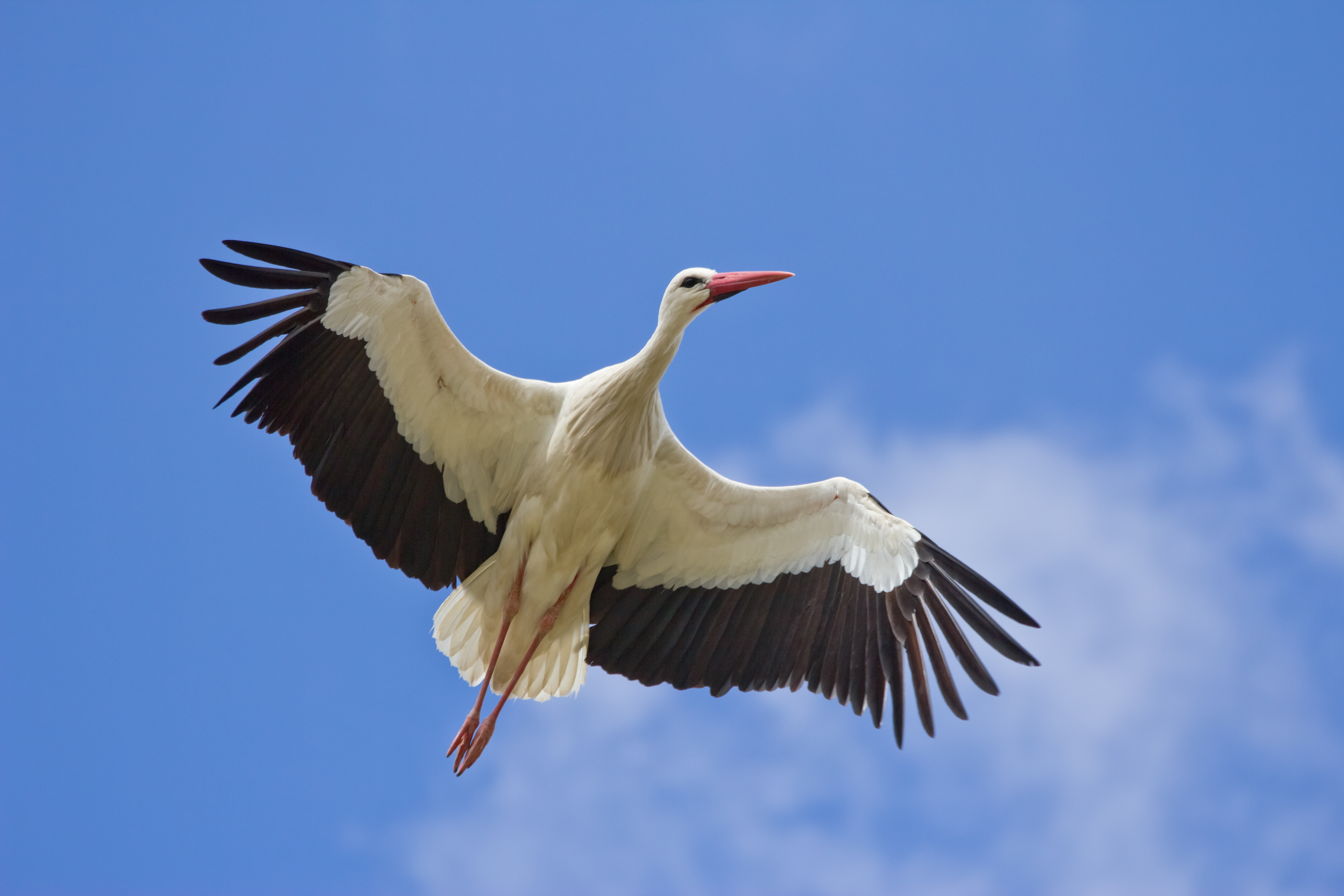
| White Stork Ciconia ciconia | Bocian biały | Open farmland, wetland margins | Apr–Aug (breeding) | Large wader; red bill and legs; black flight feathers |
| Common Kingfisher Alcedo atthis | Zimorodek | Rivers, clear streams | Year-round | Brilliant turquoise back; orange underparts; fast direct flight |
| White-tailed Eagle Haliaeetus albicilla | Bielik | Large rivers, lakes, coast | Year-round | Massive wingspan; pale head and tail in adults; yellow bill |
| European Bee-eater Merops apiaster | Żołna | Sandy riverbanks, open countryside | May–Sep (breeding) | Multi-coloured; elongated central tail feathers; liquid call |
| Grey Heron Ardea cinerea | Czapla siwa | Wetlands, rivers, fish ponds | Year-round | Grey and white; black eye-stripe; slow flapping flight |
| Tawny Owl Strix aluco | Puszczyk | Deciduous and mixed forest, parks | Year-round | Round-headed; no ear tufts; hooting call at dusk |